What the medicines have taught us
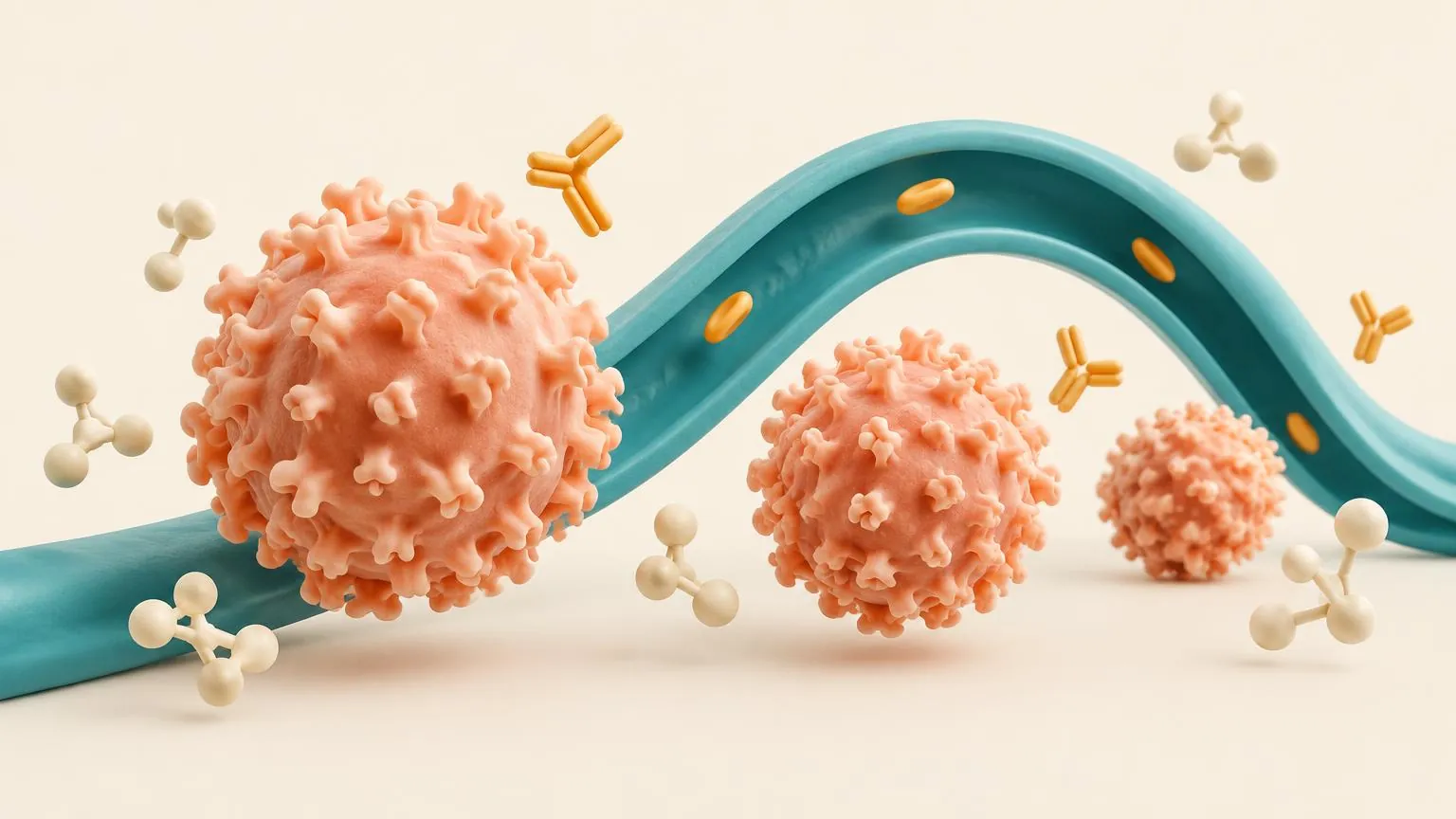
Relapses come mostly from the blood
Medicines that stop immune cells entering the brain, keep them in the lymph nodes or remove them can nearly stop relapses and new lesions. This is the clearest result of thirty years of trials.
B cells matter far more than was thought
The rapid effect of anti-CD20 medicines, without any fall in antibody levels, moved B cells to the centre of MS research.
Progression without relapses is a different problem
Medicines that work strongly against relapses have done much less for steady worsening, and several failed outright in trials in progressive MS.
Some reasonable ideas made MS worse
Interferon gamma and blocking tumour necrosis factor both increased attacks, which shows that MS is not simply a case of too much inflammation.
Who is in a trial shapes its result
The same medicine has worked in one group of people with progressive MS and failed in another, so the population a trial recruits can matter as much as the medicine it tests.
Repair is harder than suppression
The Research section takes these lessons further. It keeps a record of every idea that has been tested in MS, how each one was judged and what is being tested now.
Thirty years of approvals
1993
Interferon beta-1b
Betaseron: the first FDA-approved disease-modifying treatment for MS in the United States. [Source]
1996
Glatiramer acetate
Copaxone: first US approval of a non-interferon injectable for relapsing MS. [Source]
2000
Mitoxantrone
Novantrone: US approval for worsening relapsing forms of MS, including secondary-progressive and progressive-relapsing disease, not for MS without qualification. [Source]
2004
Natalizumab
Tysabri: first US approval. voluntarily withdrawn in 2005 after fatal PML cases, then reapproved in 2006 under restricted distribution. In the AFFIRM trial, annualised relapse rate was 0.26 vs 0.81 with placebo, a 68% relative reduction. [Source]
2010
Fingolimod
Gilenya: the first oral DMT approved for MS in the US. In FREEDOMS, annualised relapse rate was 0.18 vs 0.40 with placebo, a 54% relative reduction. [Source]
2010
Dalfampridine
Ampyra: US approval to improve walking in MS, a symptomatic treatment, not a disease-modifying therapy. [Source]
2012
Teriflunomide
Aubagio: first US approval of this oral DHODH inhibitor for relapsing forms of MS. [Source]
2013
Dimethyl fumarate
Tecfidera: first US approval of this oral fumarate for relapsing forms of MS. [Source]
2014
Alemtuzumab
Lemtrada: US approval for relapsing forms of MS. The label’s earlier “initial approval” date refers to alemtuzumab under another brand and indication. [Source]
2017
Ocrelizumab
Ocrevus: US approval includes adult PPMS as well as relapsing MS, the first FDA-approved PPMS treatment. In OPERA I/II, annualised relapse rate was reduced 46% and 47% vs interferon beta-1a. [Source]
2019
Siponimod
Mayzent: US relapsing-MS indication includes active SPMS. The US date is 2019, not 2020. [Source]
2019
Cladribine
Mavenclad: US approval for relapsing forms of MS. [Source]
2020
Ofatumumab
Kesimpta: US approval of a self-injected anti-CD20 for relapsing forms of MS. The label’s 2009 date refers to ofatumumab’s earlier approval for a different indication. [Source]
2021
Ponesimod
Ponvory: US approval of another oral S1P modulator for relapsing forms of MS. [Source]
2022
Ublituximab
Briumvi: another anti-CD20 therapy for relapsing forms of MS, not a PPMS approval. [Source]
Dates are first US approvals of the named products. EU dates and later formulations differ.
In the research now
Loading current research…
Key terms
- Myelin
- The fatty sheath wrapped around many nerve fibres in the brain and spinal cord. It lets signals jump quickly along the fibre. MS damages it.
- B cell
- A white blood cell that can present targets to T cells, release inflammatory signals and mature into antibody-making cells. Some B-cell-targeting medicines are highly effective MS treatments.
- Lesion (plaque)
- An area of damage where myelin has been lost and the tissue scarred.
- Relapse (attack)
- New or worsening symptoms lasting at least 24 hours, without fever or infection to explain them.
- Anti-CD20
- Medicines that remove B cells by attaching to the CD20 protein on their surface, such as ocrelizumab and ofatumumab.
- Phase 1, 2 and 3
- The stages of testing in people: safety and dose, then an early sign of effect, then a large test of benefit.
References
- 1. Polman et al. · AFFIRM. NEJM (2006)
- 2. Hauser et al. · OPERA. NEJM (2017)
- 3. Hauser et al. · HERMES. NEJM (2008)
- 4. Greenfield and Hauser (2018)
- 5. Kapoor et al. · ASCEND (2018)
- 6. Lublin et al. · INFORMS (2016)
- 7. Wolinsky et al. · PROMiSe (2007)
- 8. Panitch et al. (1987)
- 9. The Lenercept Multiple Sclerosis Study Group (1999)
- 10. Fox et al. · HERCULES (2025)
- 11. Sanofi · PERSEUS update (2025)
- 12. Cadavid et al. · Safety and efficacy of opicinumab in patients with relapsing multiple sclerosis (SYNERGY). Lancet Neurology (2019)
- 13. Cree et al. · Safety and efficacy of MD1003 (high-dose biotin) in patients with progressive multiple sclerosis (SPI2). Lancet Neurology (2020)
- 14. Chataway et al. · MS-SMART. Lancet Neurology (2020)
Next module · History and where we stand
A history of MS
From the first drawings of lesions in the 1830s to the 2024 diagnostic criteria.
Continue