Reaching inflammation inside the brain
The target
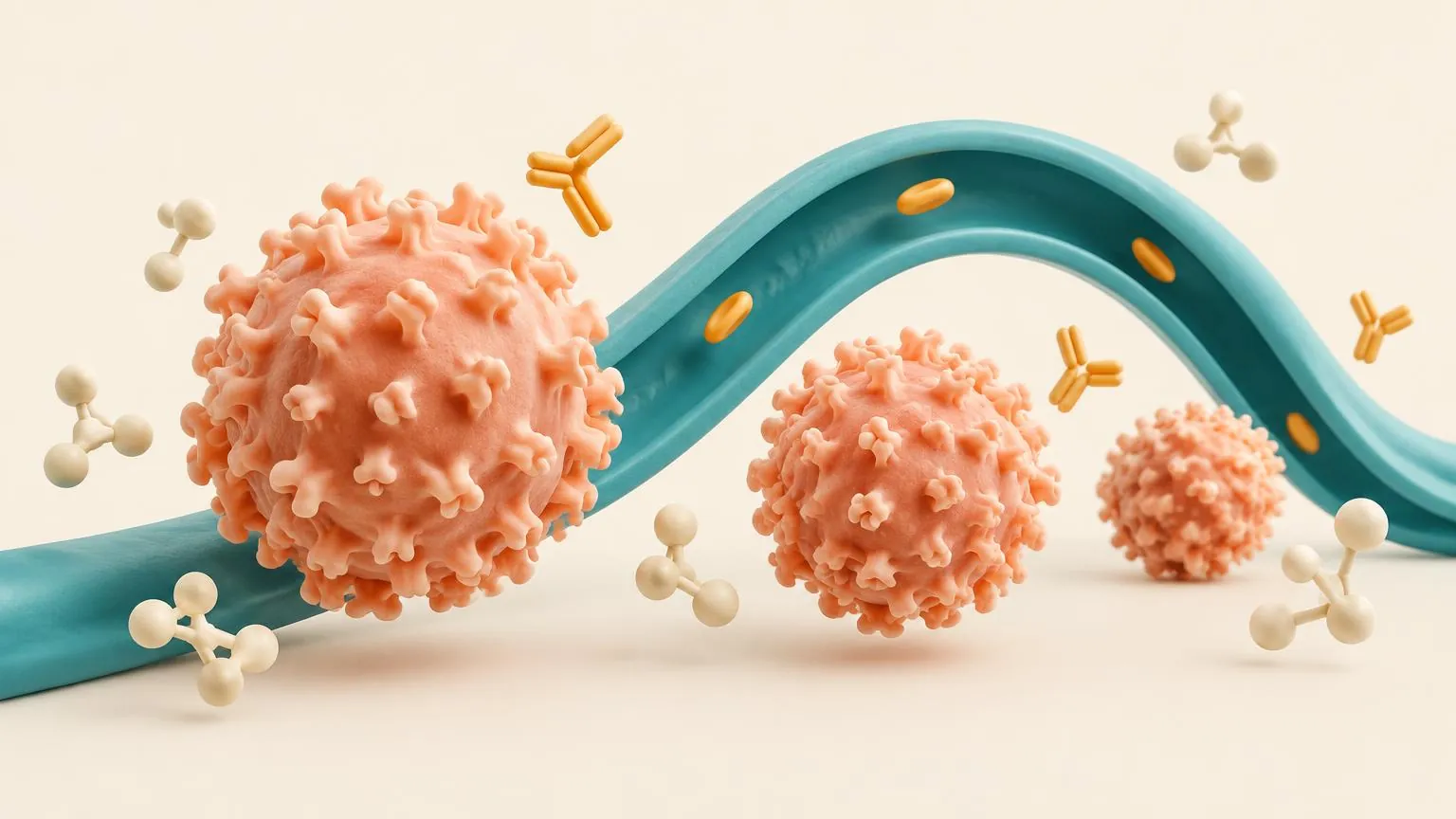
Inside the brain, microglia at the edges of chronic lesions and B cells gathered in the membranes around the brain are associated with inflammation that can persist for years. Bruton's tyrosine kinase (BTK) is an enzyme that both B cells and microglia need to become active. BTK inhibitors are small molecules, and some can enter the brain, so in principle they can reach both.
Where medicines act
What the trials found
The results so far are mixed, and instructive. In relapsing MS, evobrutinib and tolebrutinib were no better than teriflunomide at preventing relapses. In non-relapsing secondary progressive MS, tolebrutinib reduced the risk of disability progression compared with placebo in the HERCULES trial, a first for this group. In primary progressive MS, Sanofi reported that tolebrutinib did not meet the primary disability endpoint in PERSEUS. Genentech reported that fenebrutinib met the noninferiority endpoint against ocrelizumab in FENtrepid. These were sponsor announcements, not peer-reviewed trial publications.
Costs and trade-offs
BTK inhibitors can affect the liver. In HERCULES, 4.0 per cent of people taking tolebrutinib had alanine aminotransferase (ALT) levels above three times the upper limit of normal, compared with 1.6 per cent taking placebo.
What they taught researchers
The same medicine slowed progression in one progressive group and not in another. This suggests that people with progressive MS differ in what drives their disease, and that the result of a trial depends on whom it recruits. Other medicines aimed at the brain's own immune cells, such as ibudilast, have been tested in smaller trials, and the record below shows where each one stands.
Loading trial findings…
In the research now
Loading current research…
Key terms
- Blood-brain barrier
- The tight lining of the small blood vessels of the brain and spinal cord, which keeps most immune cells and large molecules out.
- B cell
- A white blood cell that can present targets to T cells, release inflammatory signals and mature into antibody-making cells. Some B-cell-targeting medicines are highly effective MS treatments.
- Microglia
- The resident immune cells of the brain and spinal cord. In MS they sustain slow inflammation at the edges of chronic lesions.
- Lesion (plaque)
- An area of damage where myelin has been lost and the tissue scarred.
- Relapse (attack)
- New or worsening symptoms lasting at least 24 hours, without fever or infection to explain them.
- Small molecule
- A relatively small, chemically made drug molecule. Many are taken as tablets, but some are given by other routes.
- BTK inhibitor
- A medicine that blocks Bruton’s tyrosine kinase, an enzyme involved in signalling in B cells and microglia. How well it enters the brain varies between medicines.
- Placebo
- A dummy treatment that looks like the real one, used so that trial results reflect the medicine itself.
References
- 1. Absinta et al. · A lymphocyte-microglia-astrocyte axis in chronic active multiple sclerosis. Nature (2021)
- 2. Magliozzi et al. (2007)
- 3. Kuhlmann et al. (2023)
- 4. Montalban et al. · Safety and efficacy of evobrutinib in relapsing multiple sclerosis (evolutionRMS1 and evolutionRMS2). Lancet Neurology (2024)
- 5. Oh et al. · Tolebrutinib versus teriflunomide in relapsing multiple sclerosis (GEMINI 1 and 2). NEJM (2025)
- 6. Fox et al. · Tolebrutinib in nonrelapsing secondary progressive multiple sclerosis (HERCULES). NEJM (2025)
- 7. Sanofi · Press release: update on tolebrutinib in primary progressive multiple sclerosis (15 December 2025)
- 8. Genentech · FENtrepid topline results, sponsor announcement (9 November 2025)
- 9. Fox et al. · Phase 2 trial of ibudilast in progressive multiple sclerosis (SPRINT-MS). NEJM (2018)
Next · Lesson 10 of 11
Treating relapses and symptoms
Steroids, plasma exchange, fampridine and symptom care, and what they show about damaged nerves.
Continue